Search from imperfect human input to an AI surface
Over a two-year arc, I addressed Reddit search design debt and shaped the 2025 vision — from defining its principles, to shipping features, to the AI shift that transformed what search means today. The initiative includes four major features that help make search experience smarter and easier.
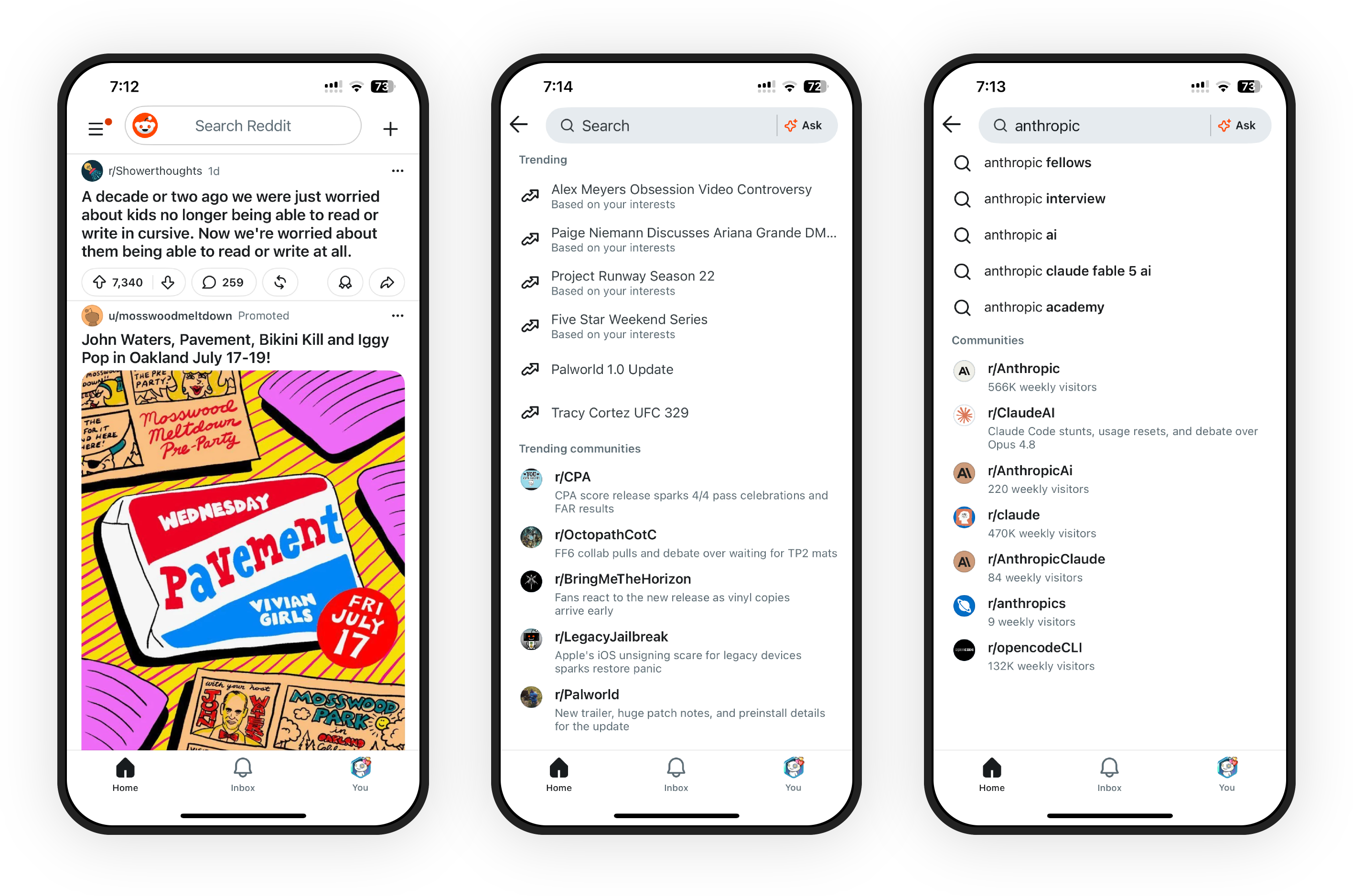
Why it mattered
of total engaged DAUq are high intent seekers (people who come to search)
weekly active search users at scale
Reddit search was out of date
As Reddit increasingly dominated Google results, our audience shifted from native power users to the mainstream public. Bridging the gap between "how the world expects to search" and "what our legacy system could handle" became a challenge.
Search was too literal
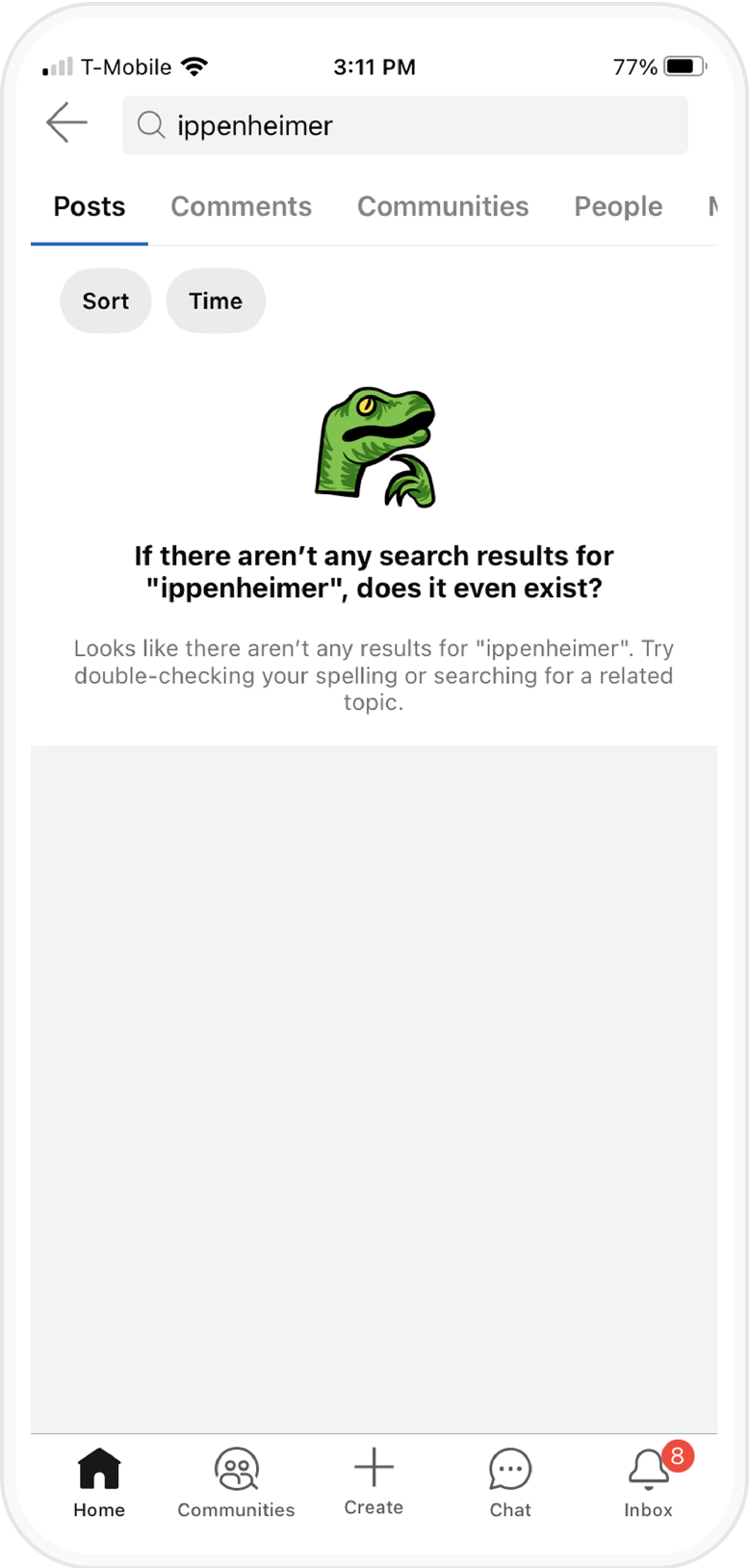
Old keyword matching lets one typo kill the results
No safety net for mistakes
No error recovery
Input friction
Longer queries were inconvenient
My favorite search feature is when Google autocorrects my typos and shows related stuff. Reddit doesn't do this. I wish it would say 'did you mean this?' to fix my mistakes. I also wish the search bar did more to help me phrase my search
High intent search study · UXR 2023
Principle workshop with strategic partners and product leadership
Since search is leadership and engineering-driven, I hosted a workshop with product leadership, data scientists, engineers, and PMs. We synthesized past UXR, competitive patterns, and consolidated into four principles that still shape Reddit Search today.
Search is a vessel for discovery ✓
Focus on relevancy and context ✓
Enable users to switch between scopes ✓
Prioritize scannability at a glance ✓
Correcting mistakes after the fact
Search zero result page was a dead end without guidance on how you can rephrase. The design challenge is to reduce zero result page caused by typos, without taking control from users who genuinely meant the unusual query.
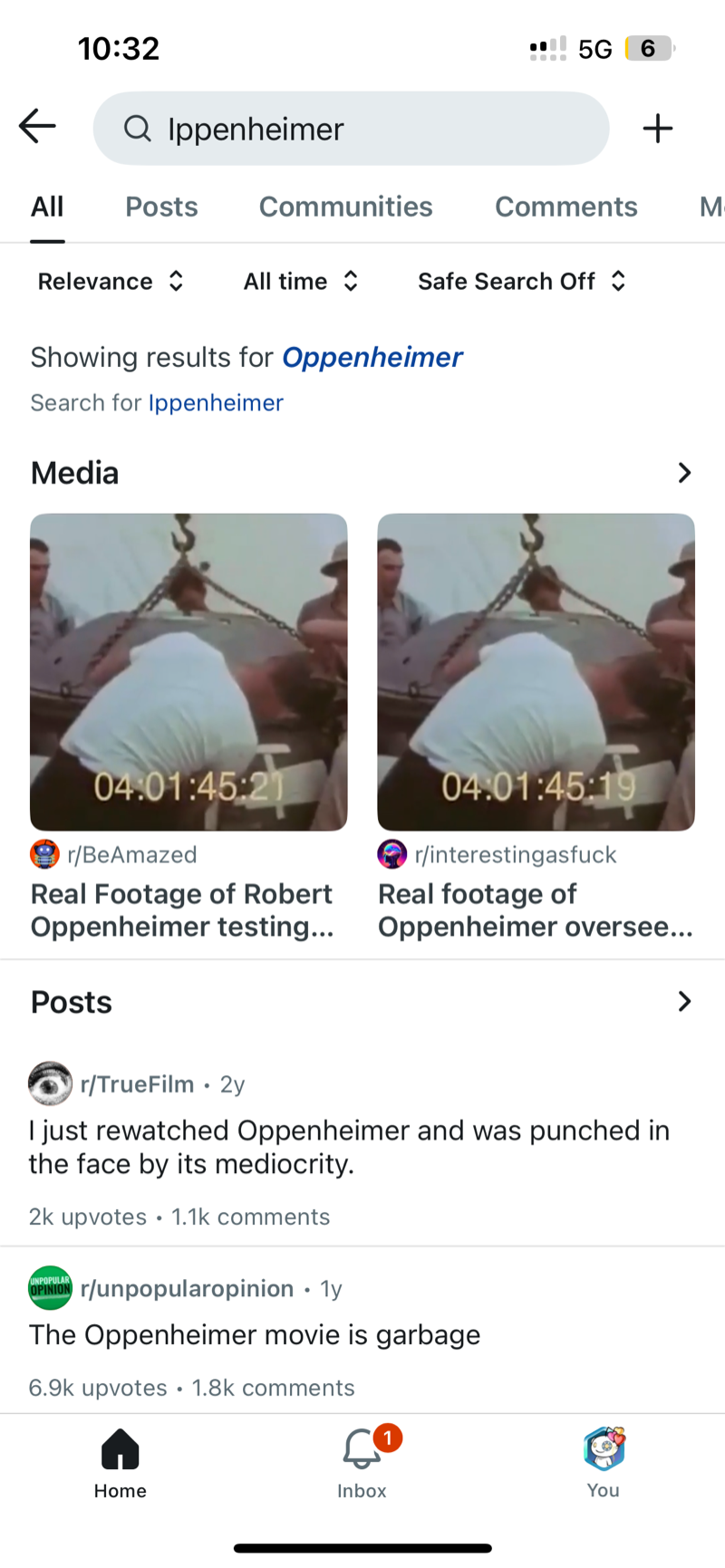
Design Impact
No more dead ends
Zero-result searches
Across iOS, Android, web
Conversation Success
ROC increased
Helping users form query from the start
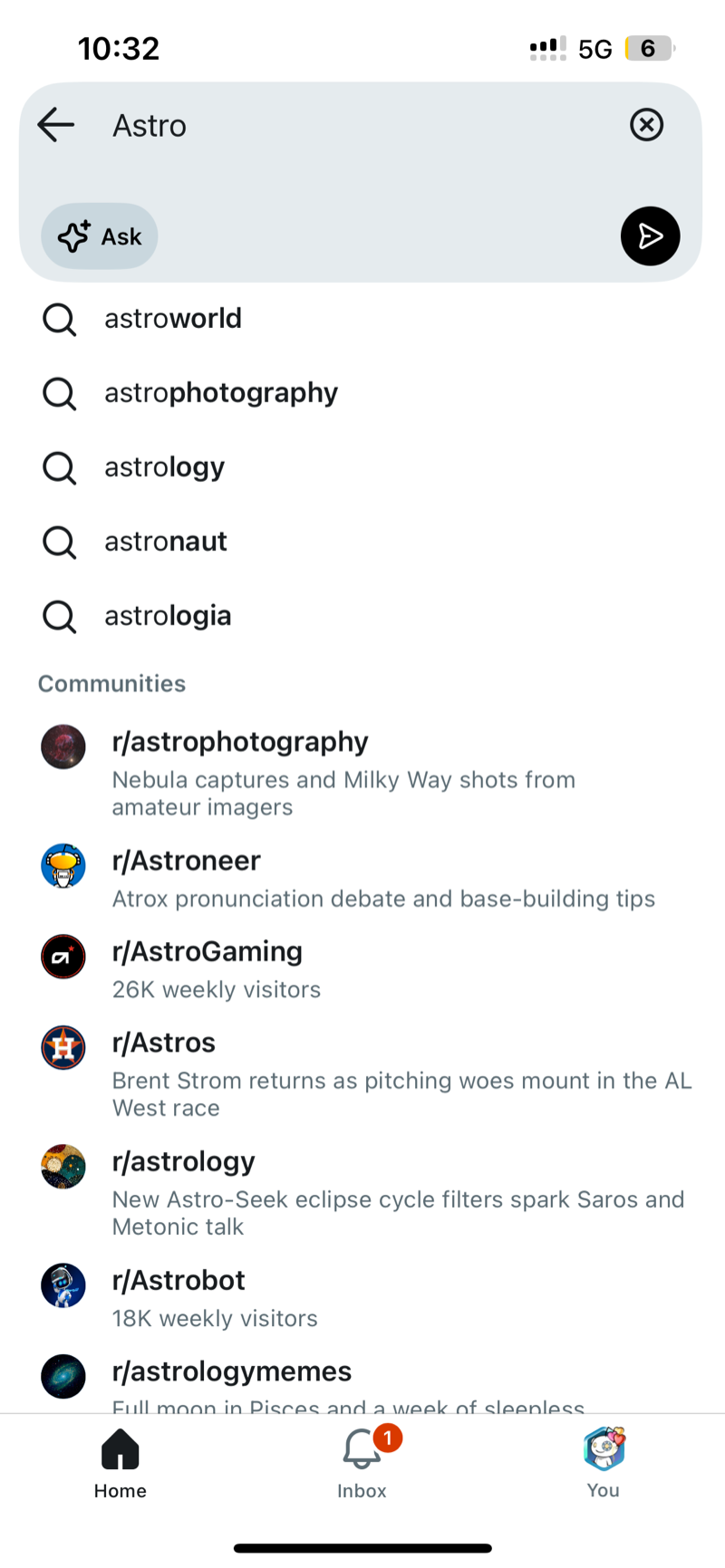
By 2024, Spell Check was working, but the underlying problem hadn't gone away. Users had to type a full query in input field, while other search products had been doing inline suggestions. I designed query suggestions with better, fuller queries drawn from real searches.
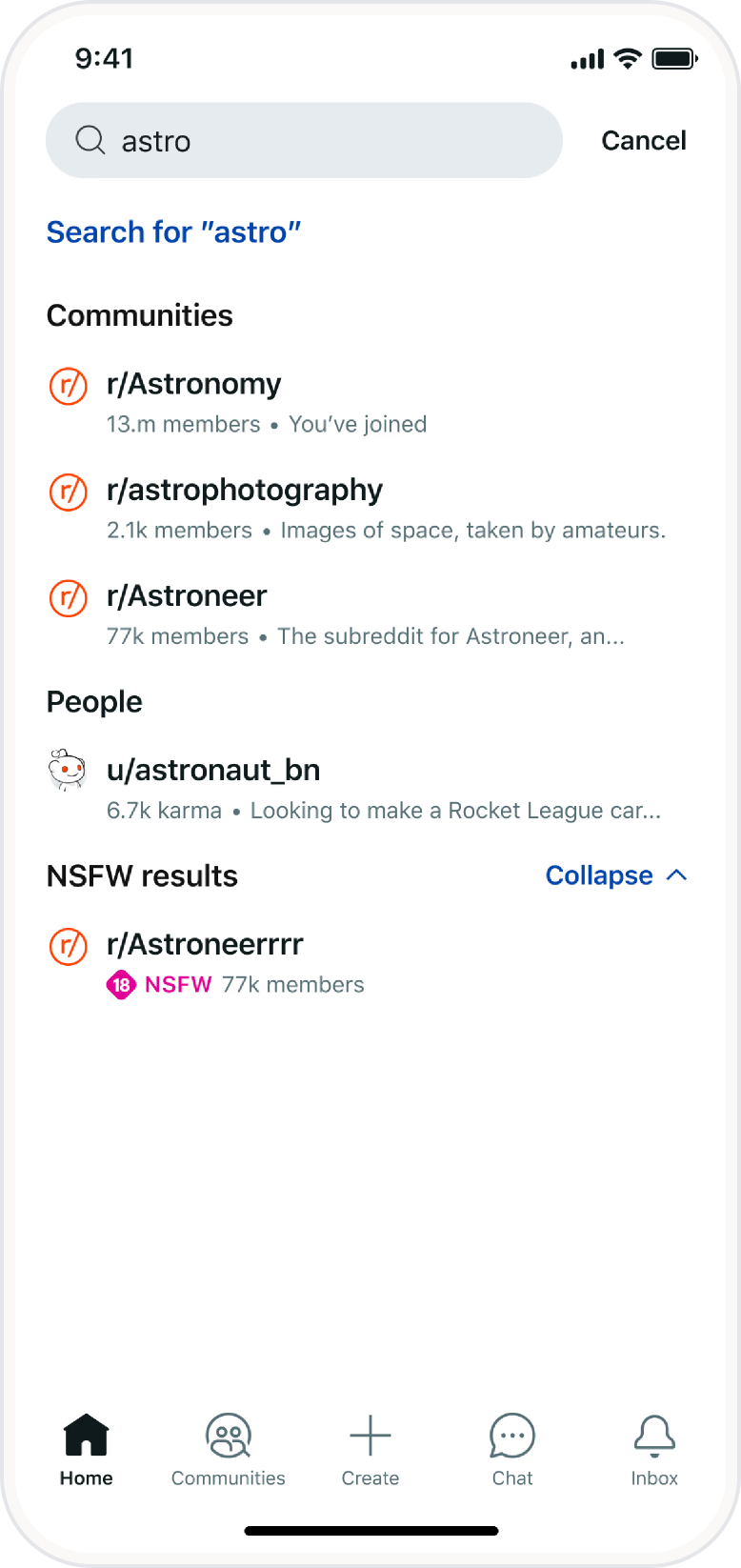
Design Impact
People search more often (and have successful searches)
Search good sessions
Search North-star metric
Days active on SERP
Return rate
Zero results rate
Empty pages
A general shift from using typeahead to engaging on the search results
Modernize results UI to improve user engagement and perception
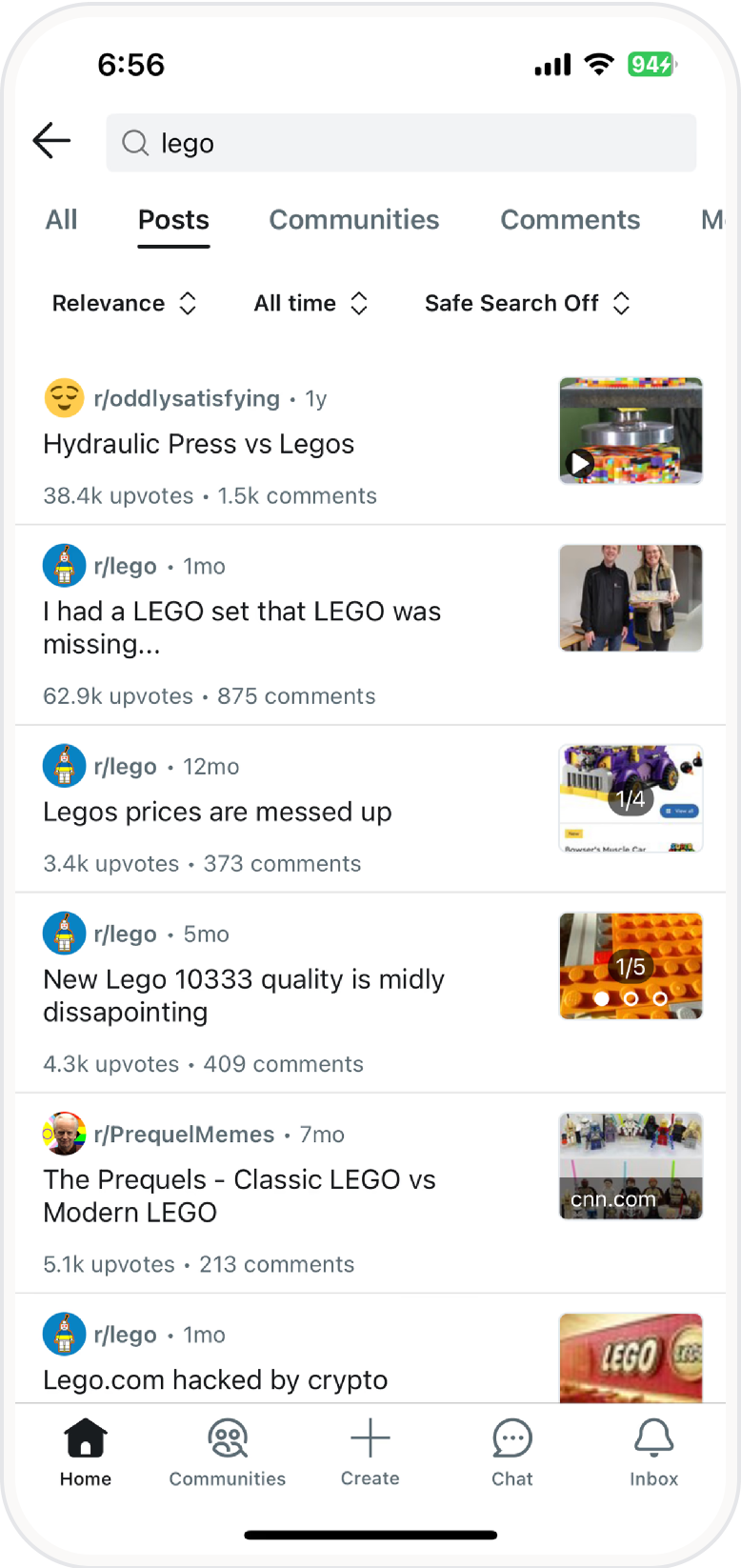
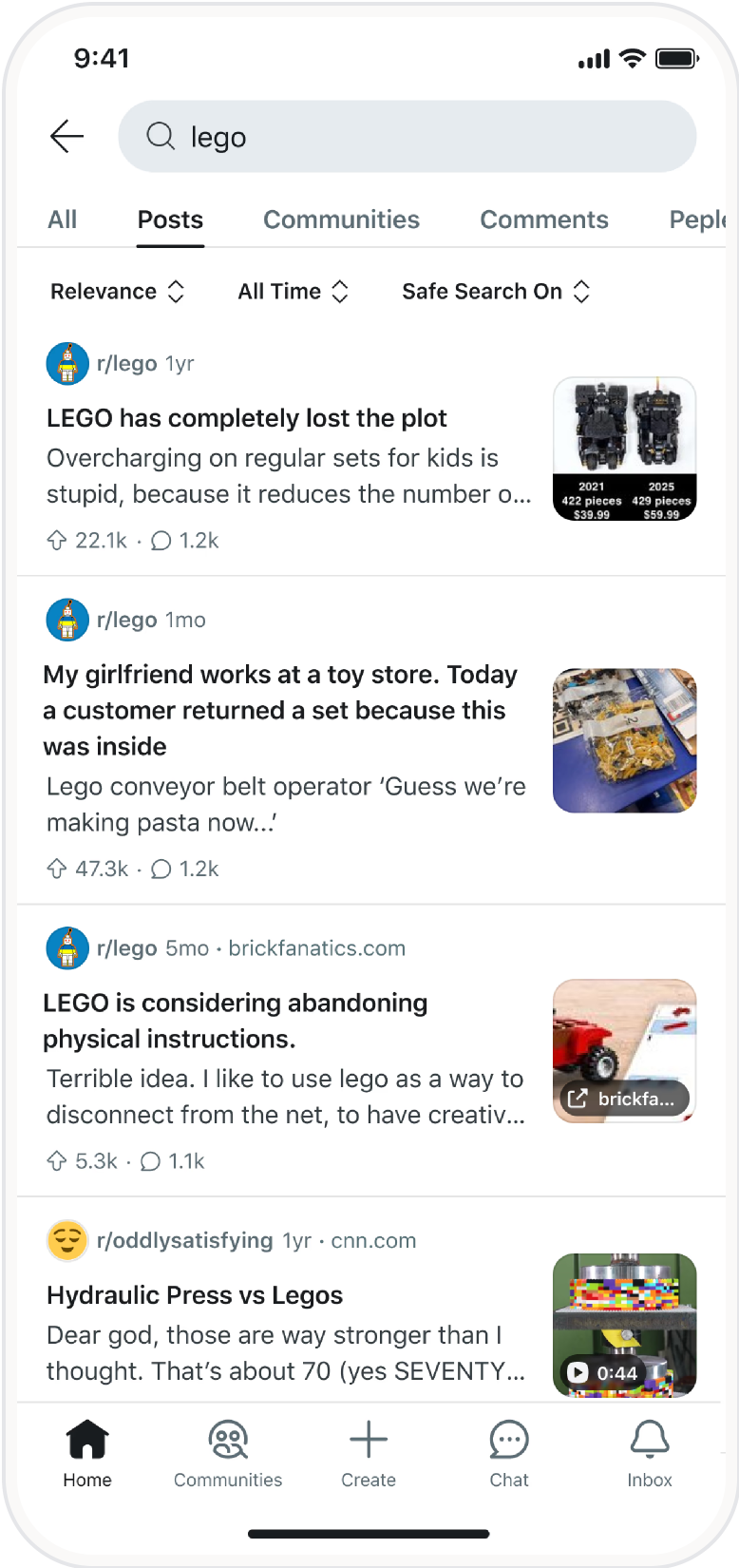
Going into 2025, I ran a heuristic evaluation of search and proposed to my product partner that we clean up the search page. It was cluttered. Making it more functional and polished would lift engagement and perception, and lay a foundation for bigger features later. One tradeoff was keeping the community logo huge, for it attracts direct visits to relevant communities.
Design Impact
People read and engage more
Post consumes
# community clicks
Fbp media view
When search became an AI surface
By the time Query Suggestions shipped, the ground had shifted. Users were turning to ChatGPT for the kinds of questions they used to bring to Reddit search.
Our response was the unified Search + Answers (Reddit's version of ChatGPT) experience, a mega search bar that returned generated answers and post results together, designed to compete with AI-native products on our own turf.

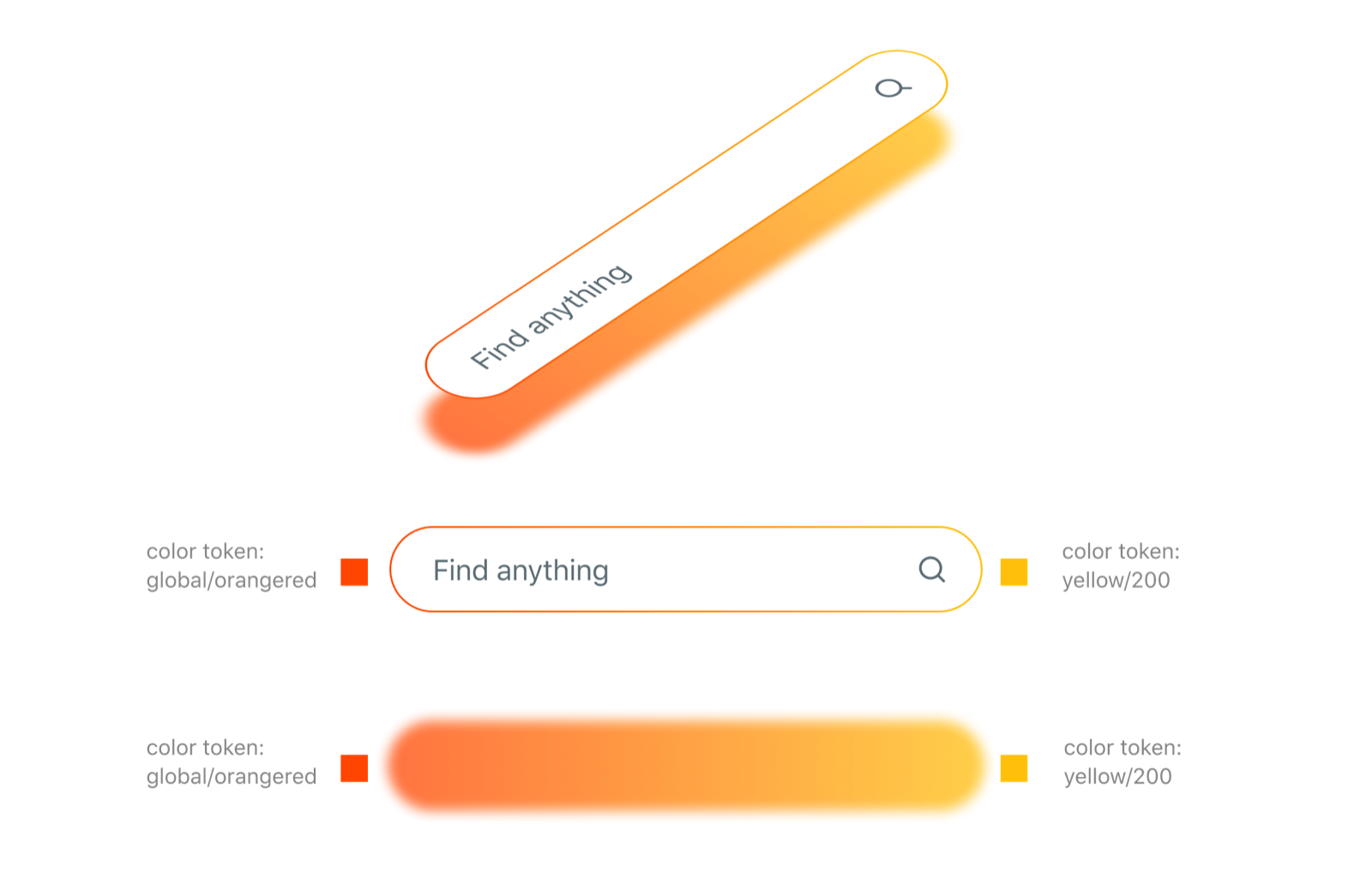
How does the mega search bar live on home? What does the landing experience look like when search moves from a destination to the entry point of the entire product?
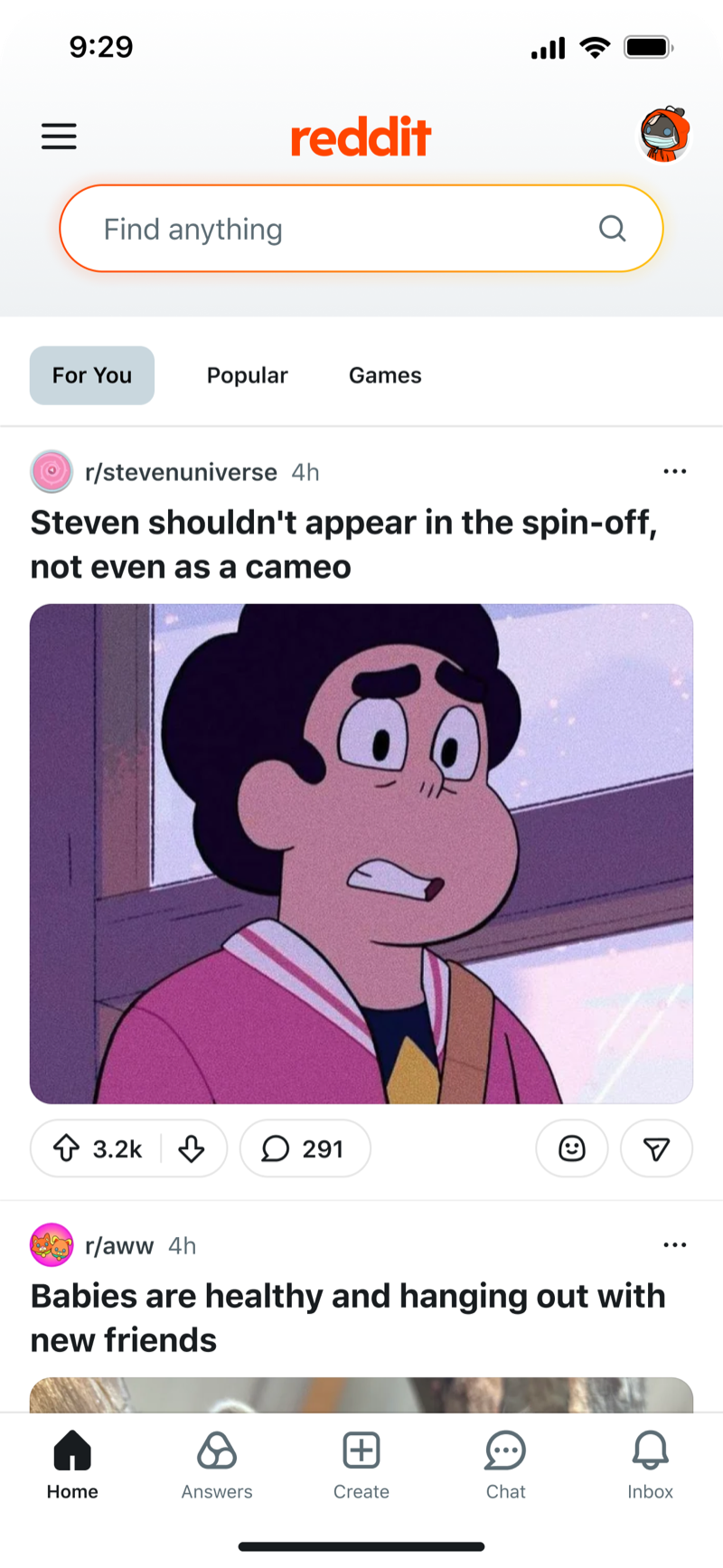
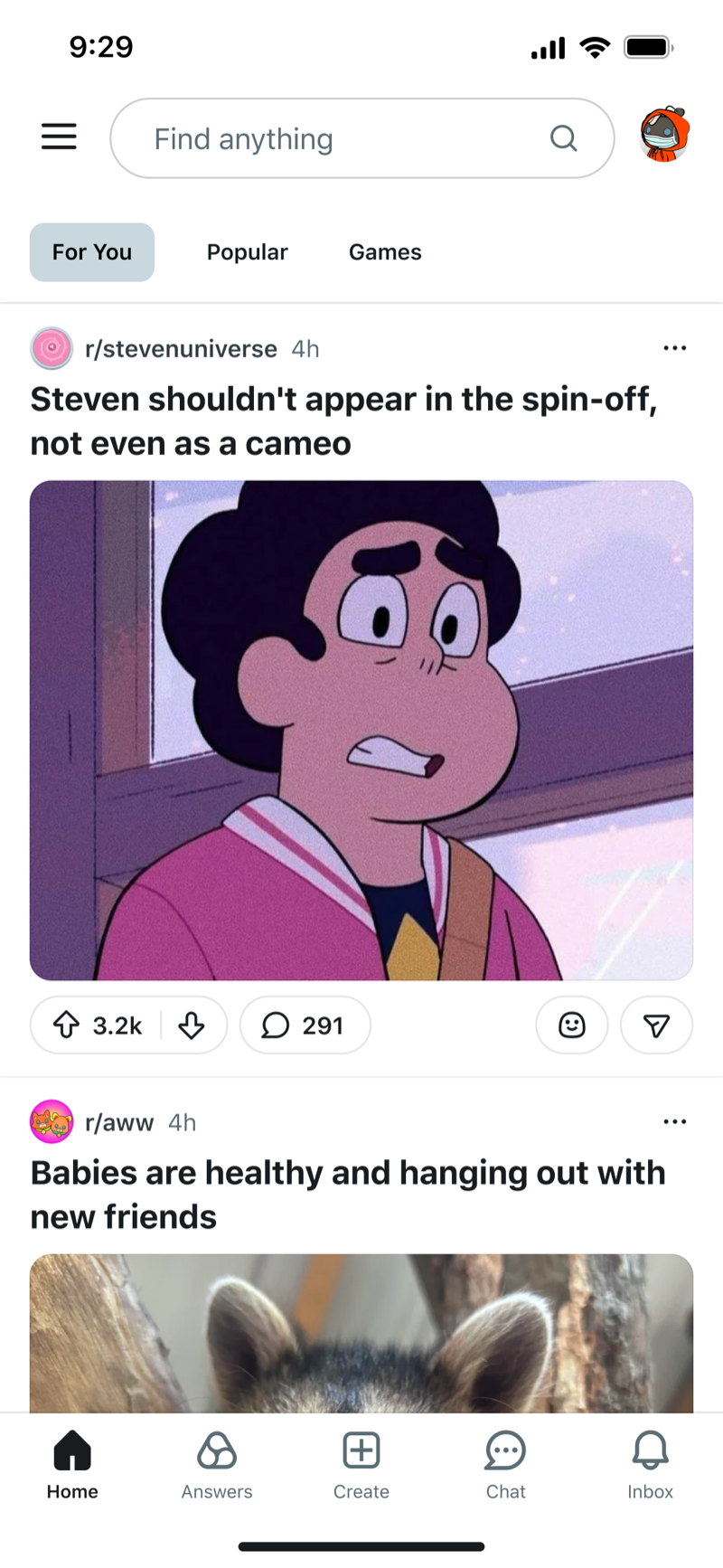
Home feed as an AI entry
The Arc
Spell Check
Fixes mistake after
Query Suggestions
Better query upfront
AI Search
Search becomes home
Support makes people ask for more
What surprised me most about query suggestions, which was meant to save people the effort of typing, is that users typed more. And I realized that once users had support, they trusted the system more to express what they actually wanted, rather than truncating to the shortest possible string. This also aligns with the emergence of AI chat surfaces, where people elaborate on their asks and search goes from matching strings to understanding intent. The project that followed was bringing AI search to the homepage. Sometimes a surprise indicates a new opportunity.
Principles as a North Star
Search was the first feature I owned at Reddit, and it started on a deeply functional team. We spent as much time negotiating the limits of the search engine as we did shaping the experience, which is why the Design Principles ended up mattering so much. They weren't just visual guidelines; they were a statement of how the team intended to work and what we were building toward.
The work is never quite done
That AI shift rewrote the company's strategy in real time. The mission moved from "dive deep into authentic conversations" to a search-first framing: find anything on Reddit. Search is the bridge between Reddit's content and its users (and increasingly, between that content and anyone on the internet). When search is the front door to the entire product, how we structure information becomes critical, and the experience around it has to be current and effortless. The input work was a beginning for this era, not the end of it.